History and Art of Perfumery: How Aroma Extraction Techniques Evolved Through History

Perfume is far more than a pleasant scent. It is a reflection of human curiosity, culture, science, and artistry. Long before modern laboratories existed, people were fascinated by the captivating aromas of flowers, woods, and resins found in nature. The desire to capture these scents and preserve them led to the development of extraction techniques that have evolved dramatically over thousands of years.
Today, perfumery stands at the intersection of nature, chemistry, and technology, but its roots go back to some of the earliest civilizations in human history. By exploring the evolution of fragrance extraction, we gain a deeper appreciation for the craftsmanship behind every bottle of perfume.
Let’s take a journey through time and discover how the art of perfumery evolved from primitive rituals to the sophisticated science we know today.
The First Beginnings: The Age of Ancient Civilizations
The story of perfumery begins thousands of years ago, when early civilizations first discovered the powerful emotional and spiritual impact of scent.
Ancient Egypt – The Birthplace of Perfumery
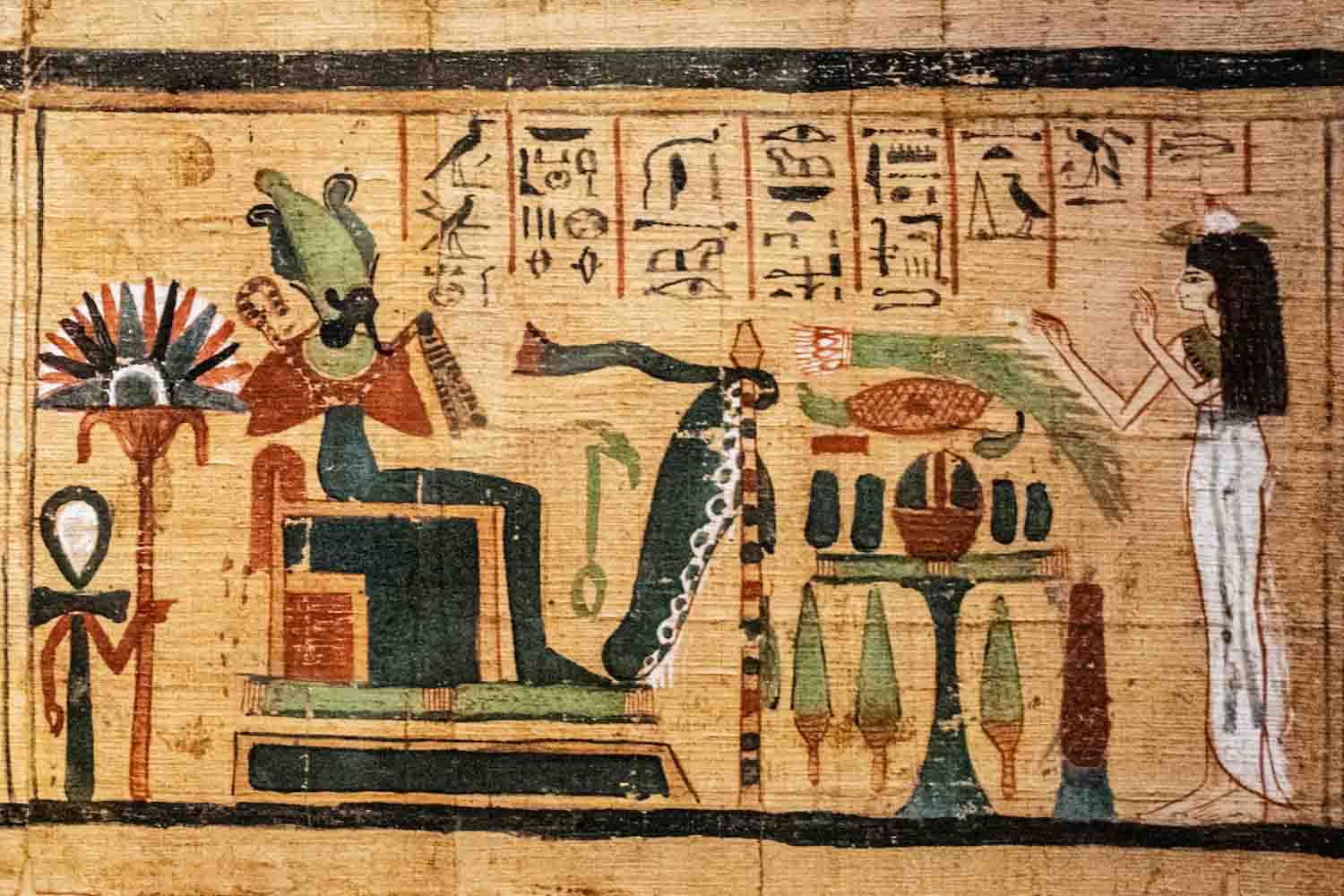
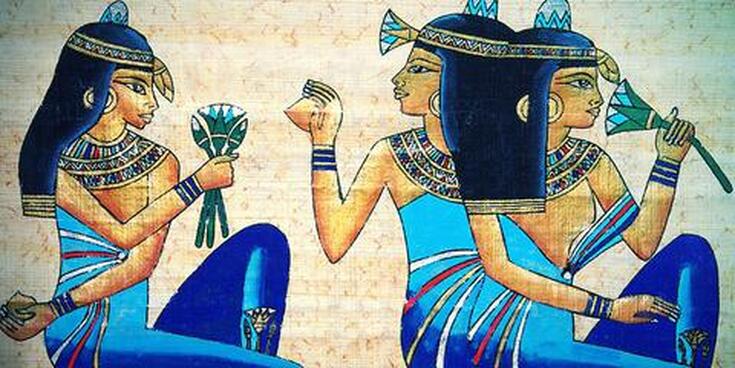
Ancient Egyptians are widely considered the pioneers of perfume-making. Fragrance was deeply integrated into religion, medicine, and daily life. Temples were filled with the smoke of incense, and perfumes were used during rituals to honor the gods.
Egyptian perfumers developed some of the earliest extraction methods:
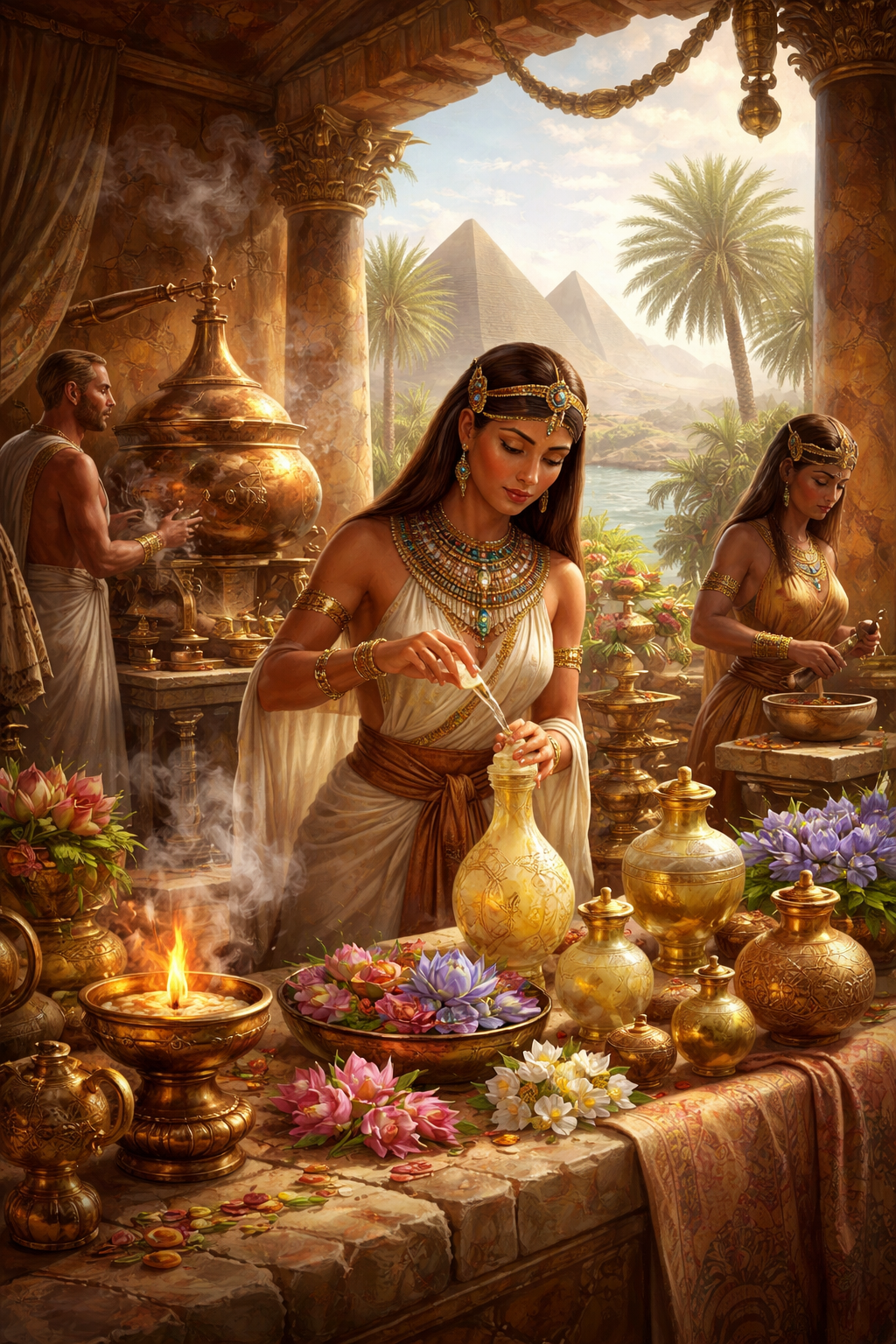
Maceration and infusion were commonly used techniques. Flowers, resins, and spices were soaked in oils or fats so their aromatic compounds could slowly dissolve into the liquid. Ingredients such as:
Lotus
Jasmine
Myrrh
Frankincense
Cinnamon
were frequently used to create fragrant oils.
Perfumes were not only used for religious ceremonies but also for mummification, where aromatic resins helped preserve bodies and mask odors. In Egyptian society, wearing perfume also symbolized wealth, power, and divine favor. It was common for nobles to wear scented oils daily.
The Greeks and Romans – Perfume Becomes Cultural Luxury
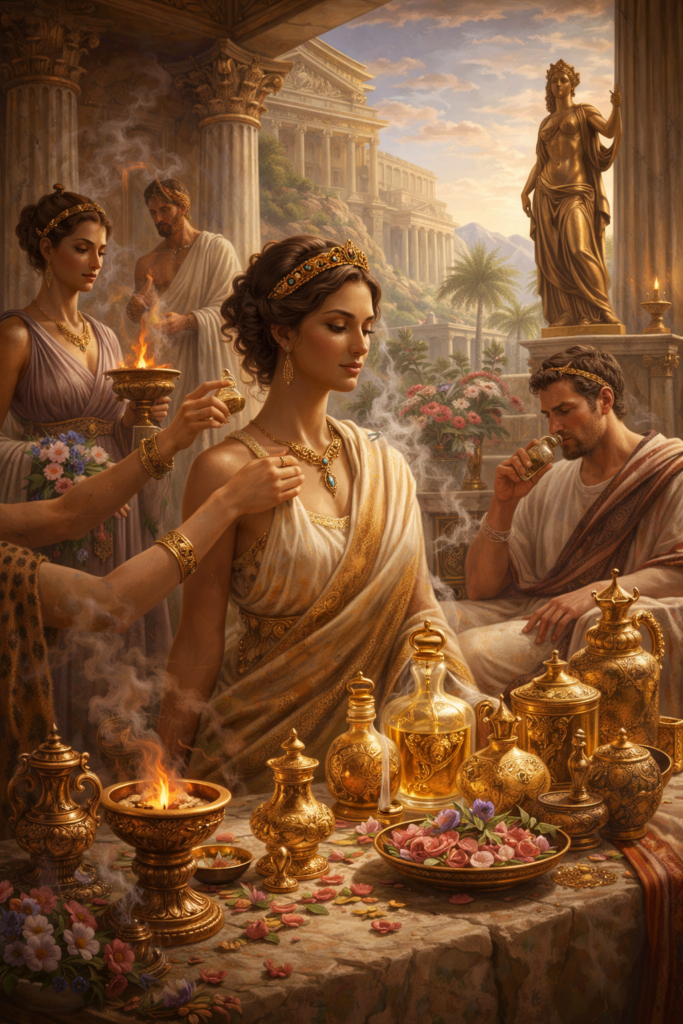
The Greeks inherited perfume traditions from Egypt and expanded them further. Greek scholars documented fragrance recipes and began experimenting with botanical extraction.
Perfumes were used in:
Public baths
Athletic events
Religious ceremonies
Social gatherings
The Romans later transformed perfume into a luxury lifestyle product. Roman citizens perfumed their hair, clothing, homes, and even fountains.
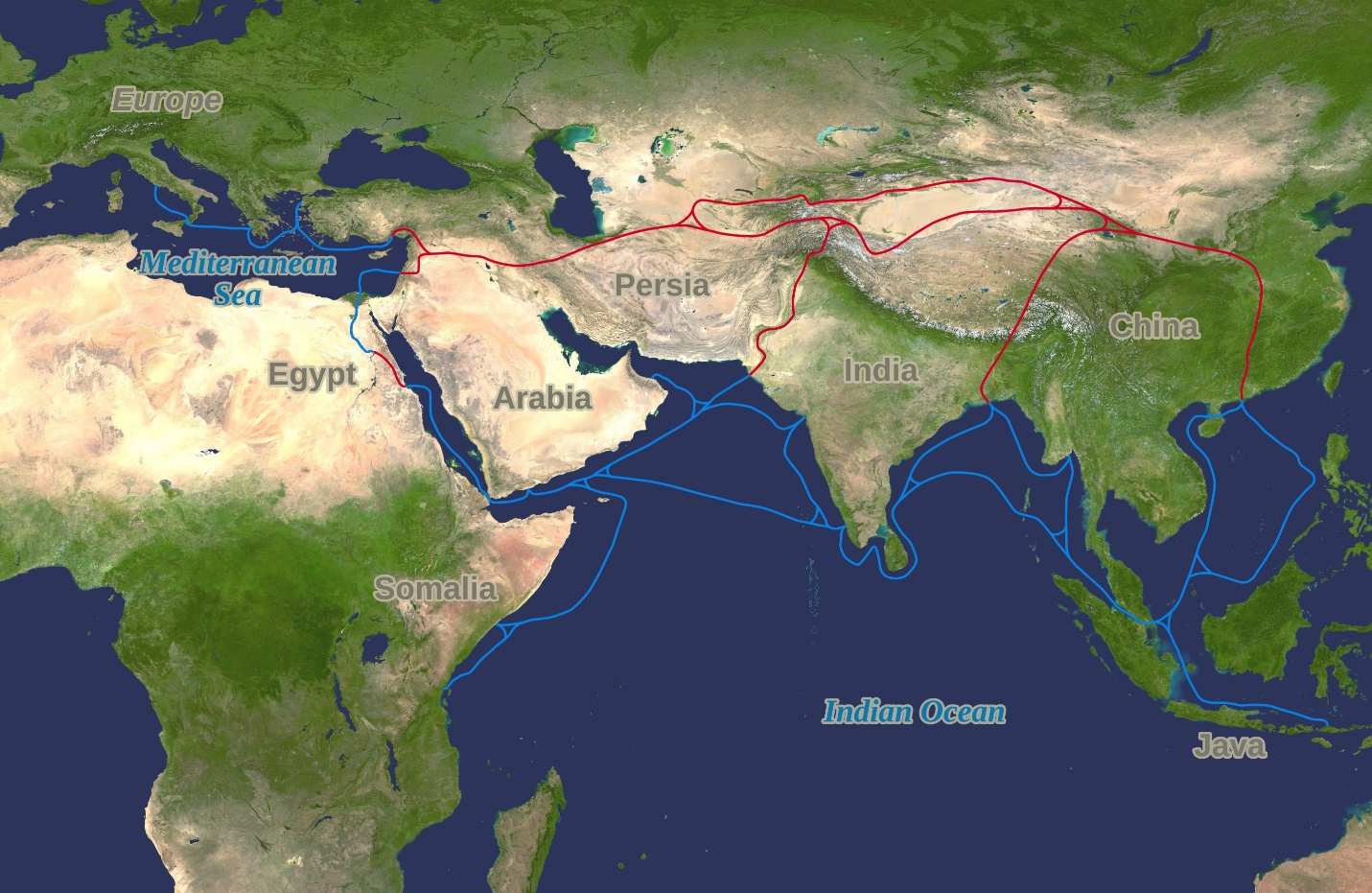
They also improved early extraction techniques by using heated oils and aromatic resins to intensify fragrances. Trade routes allowed them to import ingredients from India, Arabia, and Africa, dramatically expanding the palette of perfume materials available to perfumers.
The Middle Ages: The Rise of Distillation
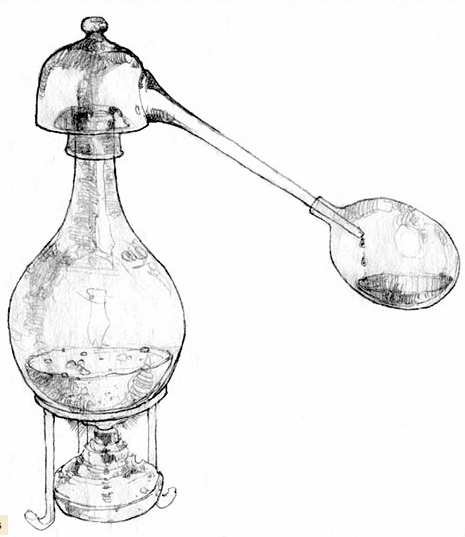
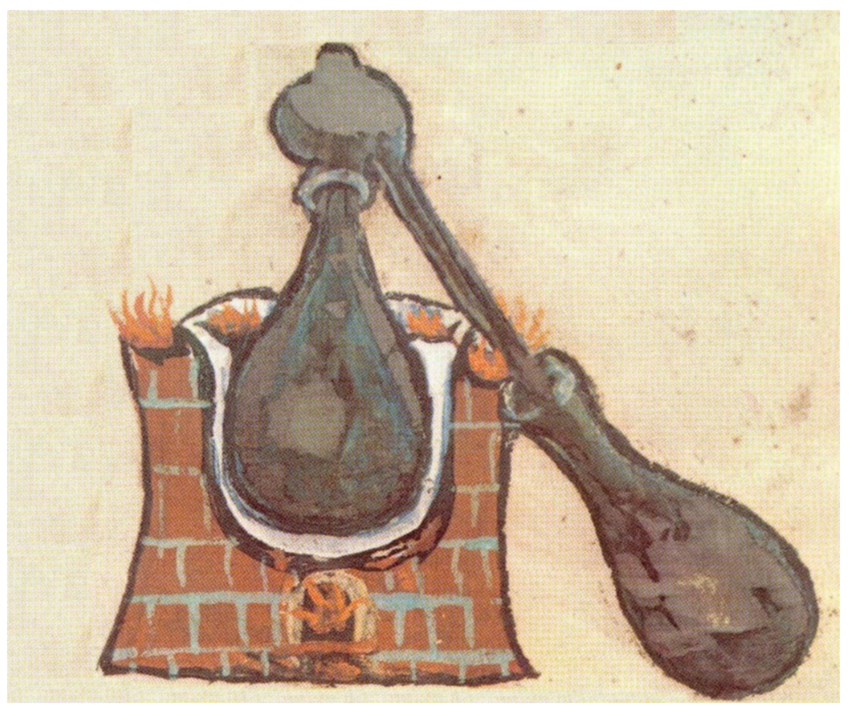
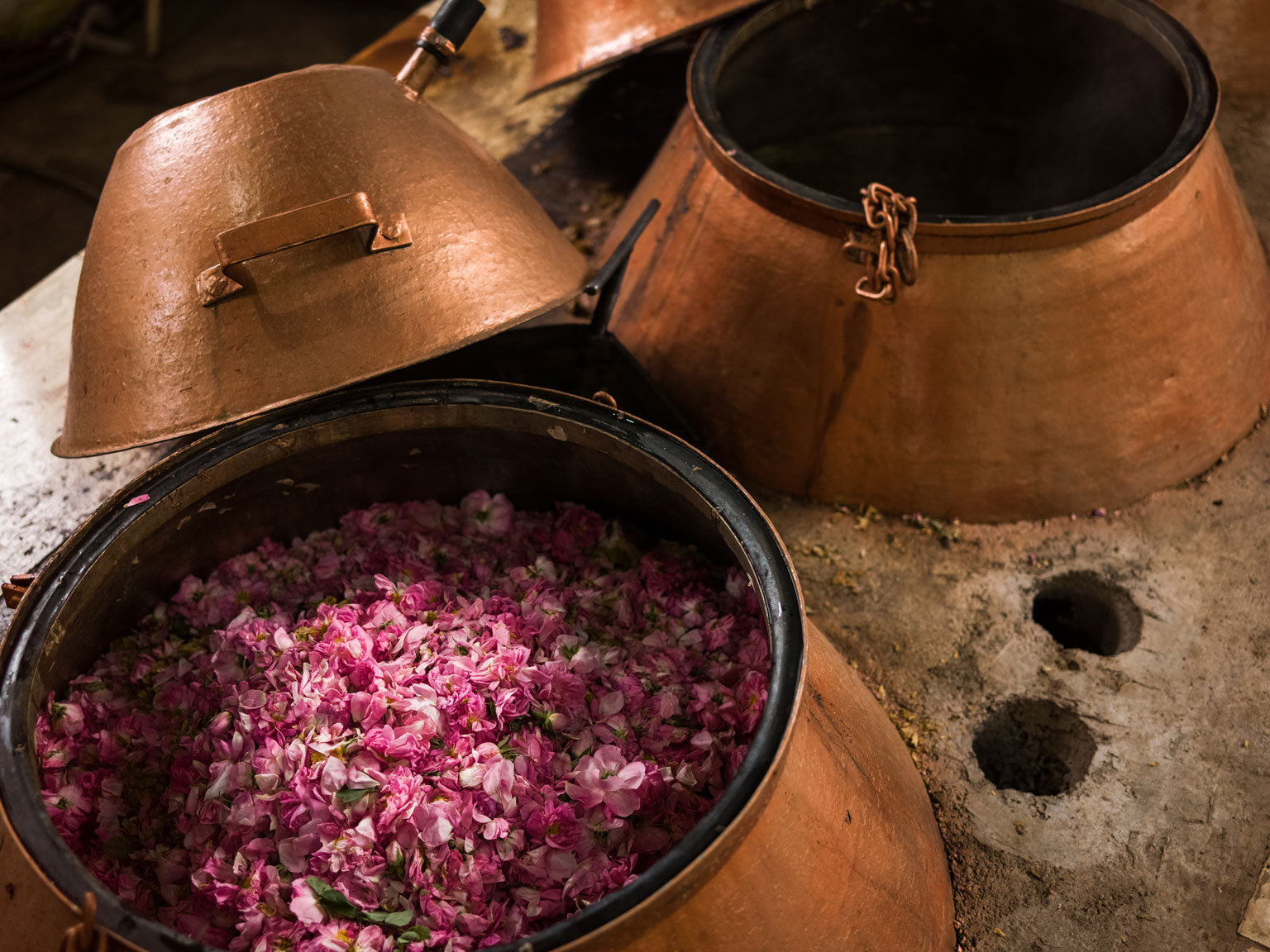
The Middle Ages marked a turning point in the history of perfumery due to major advancements in chemistry and scientific experimentation.
The Islamic Golden Age and Scientific Innovation
Between the 8th and 13th centuries, scholars in the Islamic world made groundbreaking contributions to chemistry, medicine, and pharmacology. Among them was the legendary chemist Jabir ibn Hayyan, who played a crucial role in refining distillation techniques.
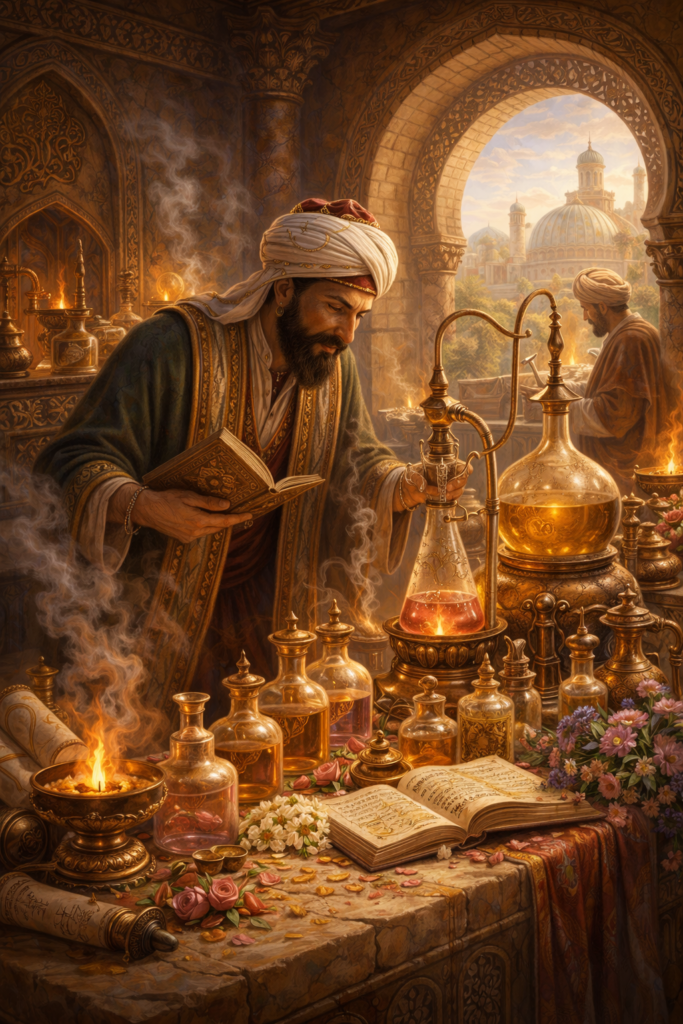
One of the most important inventions was the alembic (al-inbiq), a distillation device that allowed scientists to heat plant materials and capture the vaporized aromatic oils as they condensed.
This method revolutionized perfume production because it allowed for the creation of pure essential oils and floral waters, such as:
Rose water
Orange blossom water
Herbal distillates
These aromatic waters became extremely popular across the Middle East and later spread throughout Europe.
The Spread of Perfumery to Europe
As knowledge traveled along trade routes, distillation techniques reached Europe through Spain and Italy. By the late medieval period, perfume had become fashionable among European aristocracy.
Perfume also served practical purposes. During times when sanitation was limited, fragrance was used to mask unpleasant odors and protect against disease, as people believed pleasant scents could ward off illness.
The Renaissance: A New Era of Ingredients and Creativity
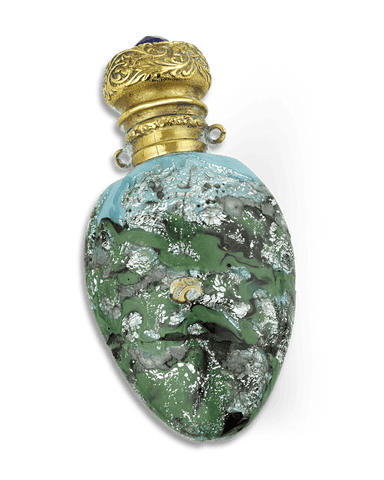
The Renaissance brought renewed interest in art, science, and exploration. These developments also transformed the world of fragrance.
Global Trade Expands the Perfumer’s Palette
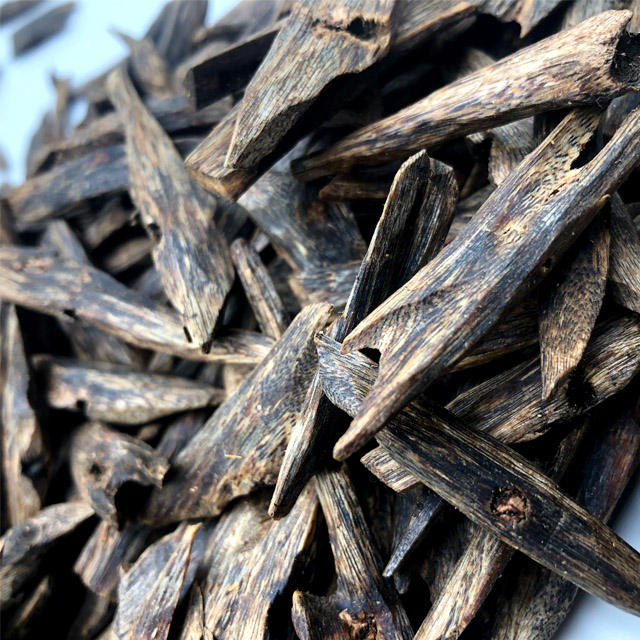
Exploration and trade opened access to exotic materials never before seen in Europe. Traders brought rare aromatic ingredients from Asia, the Middle East, and Africa, including:
Oud (agarwood)
Ambergris
Sandalwood
Musk
Exotic spices
These luxurious materials allowed perfumers to create deeper, richer fragrance compositions.
The Rise of Perfume Centers
Italy initially led the perfume trade, especially in cities like Venice and Florence. However, France soon became the global center of perfumery.
The town of Grasse in southern France gained international fame for its abundant flower fields, producing ingredients such as:
Rose
Jasmine
Orange blossom
Lavender
Perfumers began blending multiple essential oils together, marking the birth of complex fragrance compositions, a practice that remains the foundation of modern perfumery.
The Nineteenth Century: The Birth of Modern Perfumery
The Renaissance brought renewed interest in art, science, and exploration. These developments also transformed the world of fragrance.
Global Trade Expands the Perfumer’s Palette
Exploration and trade opened access to exotic materials never before seen in Europe. Traders brought rare aromatic ingredients from Asia, the Middle East, and Africa, including:
Oud (agarwood)
Ambergris
Sandalwood
Musk
Exotic spices
These luxurious materials allowed perfumers to create deeper, richer fragrance compositions.
The Rise of Perfume Centers
Italy initially led the perfume trade, especially in cities like Venice and Florence. However, France soon became the global center of perfumery.
The town of Grasse in southern France gained international fame for its abundant flower fields, producing ingredients such as:
Rose
Jasmine
Orange blossom
Lavender
Perfumers began blending multiple essential oils together, marking the birth of complex fragrance compositions, a practice that remains the foundation of modern perfumery.
The Industrial Revolution dramatically changed perfume production. Advances in chemistry allowed scientists to understand fragrance molecules at a deeper level.
Discovery of Synthetic Aroma Molecules
In 1868, chemists successfully synthesized coumarin, a sweet hay-like fragrance molecule found naturally in tonka beans. This discovery changed perfumery forever.
Soon after, scientists began producing other aromatic molecules such as:
Vanillin – the main scent of vanilla
Nitro musks – early synthetic musk scents
Ionones – violet-like fragrances
These molecules allowed perfumers to create scents that were previously impossible or extremely expensive to produce naturally.
Perfume Becomes Accessible to Everyone
Before the 19th century, perfume was mostly reserved for royalty and the elite. Industrial manufacturing made it possible to produce fragrances at scale, making them affordable for the growing middle class.
During this era, many famous perfume houses were founded, and perfumery became both a commercial industry and a respected artistic profession.
The Modern Era: Technology Meets Creativity
Today, perfumery combines centuries of tradition with cutting-edge technology. Modern fragrance development relies on advanced extraction methods, powerful computing tools, and sustainable practices.
Advanced Extraction Techniques
Modern technology allows perfumers to extract aromatic compounds with exceptional precision.
Supercritical CO₂ extraction is one of the most advanced methods used today. In this process, carbon dioxide is pressurized until it behaves like both a gas and a liquid. This allows it to gently extract fragrance molecules without damaging them.
The result is an extract that smells remarkably close to the natural plant.
Other modern techniques include:
Steam distillation
Solvent extraction
Cold pressing for citrus oils
Headspace technology, which captures the scent of living flowers without picking them
Artificial Intelligence in Fragrance Creation
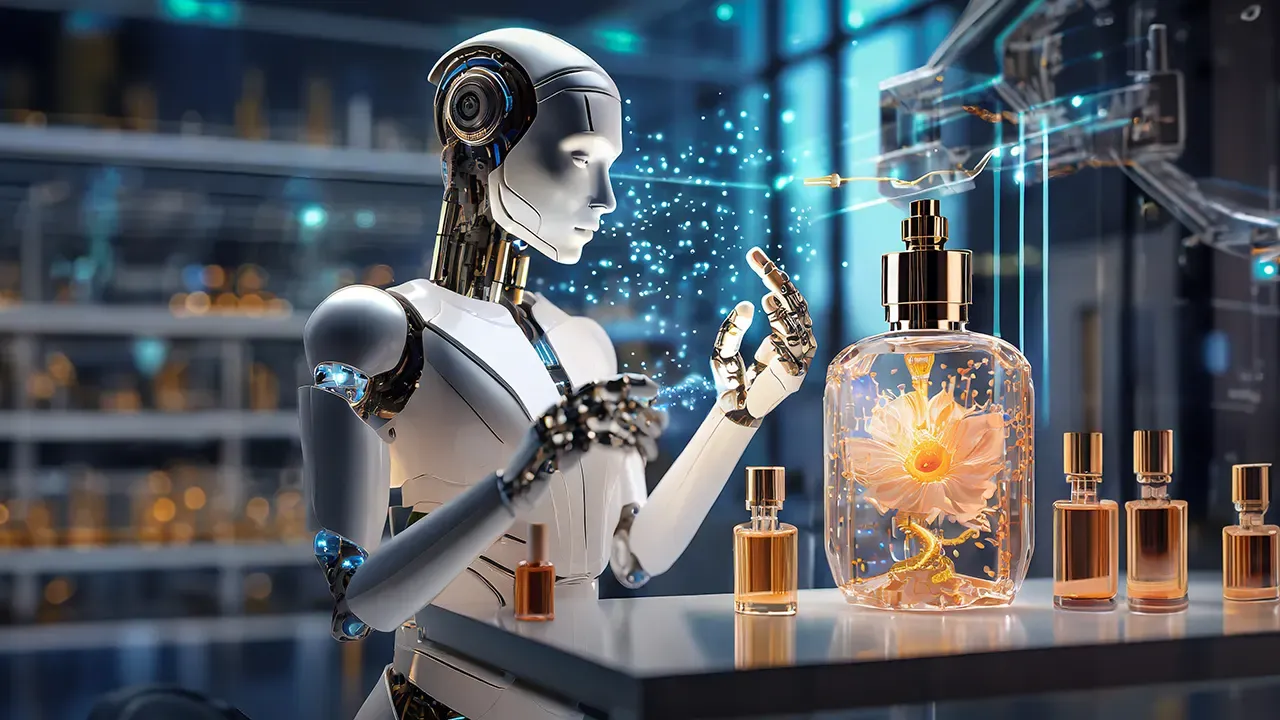
Artificial intelligence is beginning to play a role in fragrance development. AI systems can analyze massive fragrance databases and suggest new combinations of aroma molecules.
While creativity still belongs to the perfumer, these tools help accelerate innovation and discover unexpected scent combinations.
Sustainability and Ethical Sourcing
Modern consumers increasingly care about the environmental impact of their products. As a result, the perfume industry is investing heavily in:
Sustainable farming of aromatic plants
Biotechnology to produce rare ingredients
Responsible sourcing of natural materials
These innovations ensure that beautiful fragrances can continue to exist without harming natural ecosystems.

Conclusion: A Timeless Art That Continues to Evolve
Perfumery is one of humanity’s oldest and most fascinating crafts. From ancient Egyptian temples filled with incense to modern laboratories using advanced extraction technology, the journey of fragrance has been extraordinary.
Every perfume today carries within it thousands of years of knowledge, experimentation, and artistic expression.
The next time you apply a fragrance, remember that you are experiencing the result of centuries of human creativity — a perfect blend of nature, science, and artistry captured in a single scent.